Bone Grafting in Jacksonville, FL
If you're planning to replace missing teeth with dental implants, healthy jawbone volume is essential. Bone grafting allows us to rebuild the jawbone structure to ensure secure, long-lasting results — especially if bone loss has already occurred.
At EverySmile Dental Riverside, we provide conservative, patient-friendly bone grafting solutions tailored to your needs. As a trusted dentist in Jacksonville FL, Dr. Lucy Park uses advanced 3D imaging and modern techniques to restore the foundation of your smile with comfort and precision.

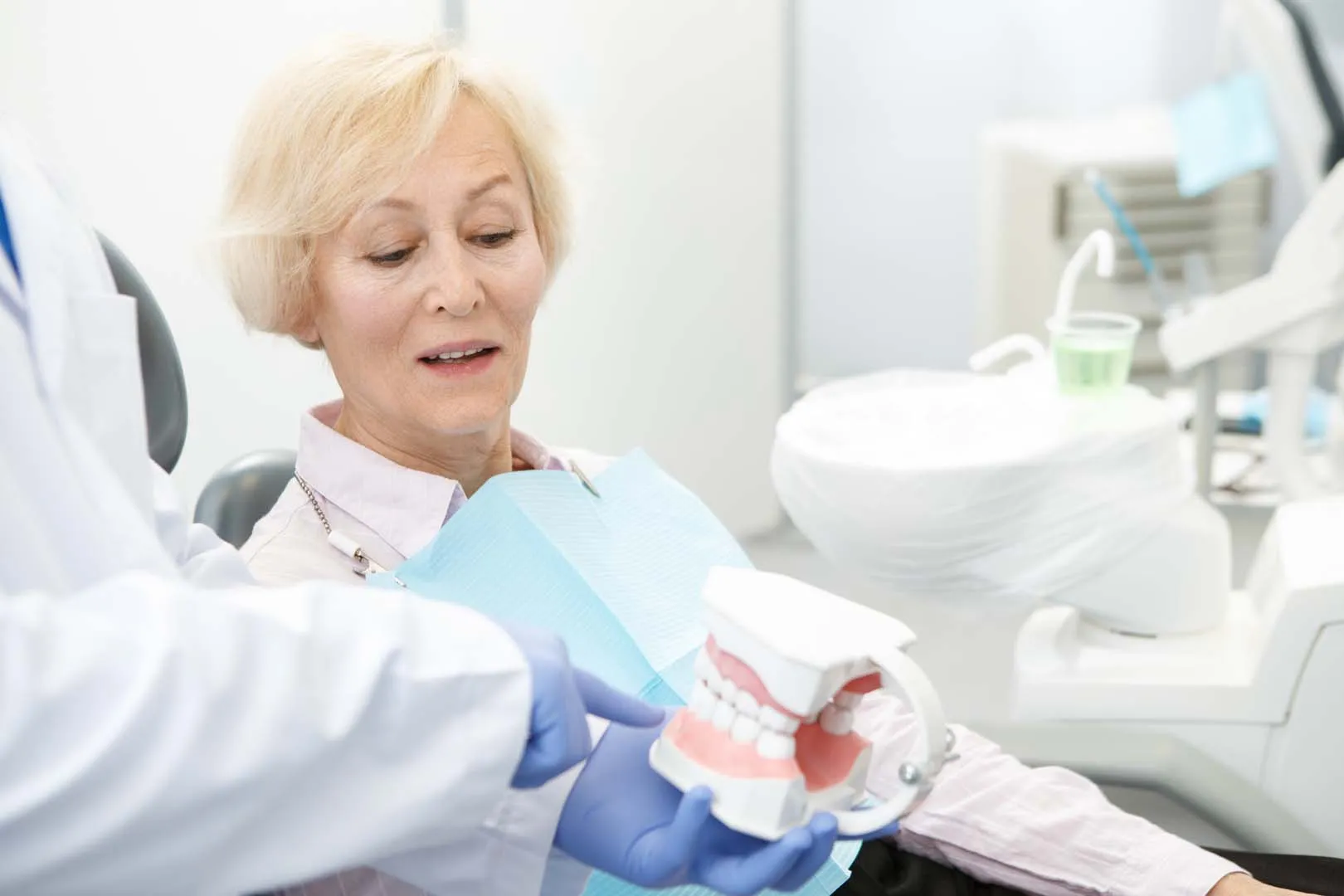
Why Is Bone Grafting Needed?
Your jawbone relies on tooth roots for stimulation. When teeth are missing or extracted, that stimulation disappears — leading to bone shrinkage over time.
Without sufficient bone:
- Dental implants may not integrate securely
- Facial structure can appear sunken or aged
- Dentures may feel loose or unstable
- Surrounding teeth may shift
Bone grafting allows us to rebuild the lost volume, supporting both function and aesthetics — especially for implant placement.
Types of Bone Grafting We Offer
We offer several types of bone grafting procedures depending on your situation:
Ridge Preservation (Socket Graft)
Placed immediately after a tooth extraction to preserve bone at the site. Helps prevent collapse of the socket and prepares the area for a future implant.
Sinus Lift
Performed when upper molars are missing and the sinus cavity is too close to the jawbone. We gently lift the sinus membrane and add bone to support upper implants.
Block Grafting
For larger areas of bone loss, a small block of donor bone is secured in place to rebuild volume and width.
Minor Bone Grafting
Used to fill in small defects or augment implant sites with minimal bone loss.
During your consultation, Dr. Park will explain which type of grafting — if any — is right for your needs.

What to Expect from the Procedure
- Digital Imaging & Planning
Using CBCT 3D scans, we assess your bone structure and map your anatomy to plan the graft with accuracy. - Grafting Procedure
Bone material (either synthetic or donor bone) is placed in the target area. The procedure is minimally invasive and often performed with local anesthesia. - Healing & Integration
Over the next 3–6 months, your body fuses the graft into your natural bone, creating a stable foundation for implants or other restorative treatments.
We offer oral sedation for patients who are anxious or prefer a more relaxed experience.
Is Bone Grafting Painful?
Most patients experience only minor soreness or swelling for a few days. Discomfort is typically managed with over-the-counter medication, and you'll receive detailed instructions for aftercare.
How Do I Know If I Need a Bone Graft?
Bone grafting may be recommended if:
- A tooth was lost or extracted months or years ago
- You’ve been told you’re not a candidate for implants
- You’re wearing loose or unstable dentures
- You want to restore jaw volume before a single tooth implant or All-on-4
We’ll review your X-rays, 3D scans, and clinical exam to give you a clear answer and explain your options.
Why Choose EverySmile Riverside for Bone Grafting?
Jacksonville patients trust us for:
- CBCT-guided digital diagnostics
- Gentle techniques and modern materials
- Honest treatment recommendations
- One-on-one attention in a friendly, non-corporate setting
- Implant planning, extractions, and grafting all under one roof
- Personalized support throughout your treatment journey
We serve Riverside, Avondale, Springfield, San Marco, and the greater Jacksonville community with integrity and care.
Insurance & Financing Information
Bone grafting may be covered by some dental insurance plans — especially when medically necessary. We’ll help you:
- Verify insurance coverage
- Provide transparent cost estimates
- Explore flexible financing through CareCredit, Cherry, PatientFi, or Proceed Finance
There’s no pressure — just a clear path forward.
Frequently Asked Questions
Is bone grafting always necessary before implants?
Not always. If you’ve recently lost a tooth or have strong bone structure, grafting may not be needed. We’ll assess this during your evaluation.
Where does the bone come from?
We use safe, high-quality donor bone or synthetic grafting material. Your body naturally integrates it into your jaw over time.
How long after bone grafting can I get an implant?
Most patients wait 3 to 6 months to ensure strong integration. We'll monitor your healing and let you know when you're ready.
Can I be sedated during the procedure?
Yes. We offer oral sedation for eligible patients to help you stay relaxed and comfortable.
Is bone grafting covered by dental insurance?
It may be, especially if it’s part of a medically necessary procedure. We’ll help you review your benefits before starting.
Lorem ipsum dolor sit amet, consectetur adipiscing elit. Suspendisse varius enim in eros elementum tristique. Duis cursus, mi quis viverra ornare, eros dolor interdum nulla, ut commodo diam libero vitae erat. Aenean faucibus nibh et justo cursus id rutrum lorem imperdiet. Nunc ut sem vitae risus tristique posuere.
Ready to Restore the Foundation of Your Smile?
Bone loss doesn’t have to stop you from getting dental implants. Whether you’ve been told you’re not a candidate or simply want the most secure foundation for your smile, we’re here to help.