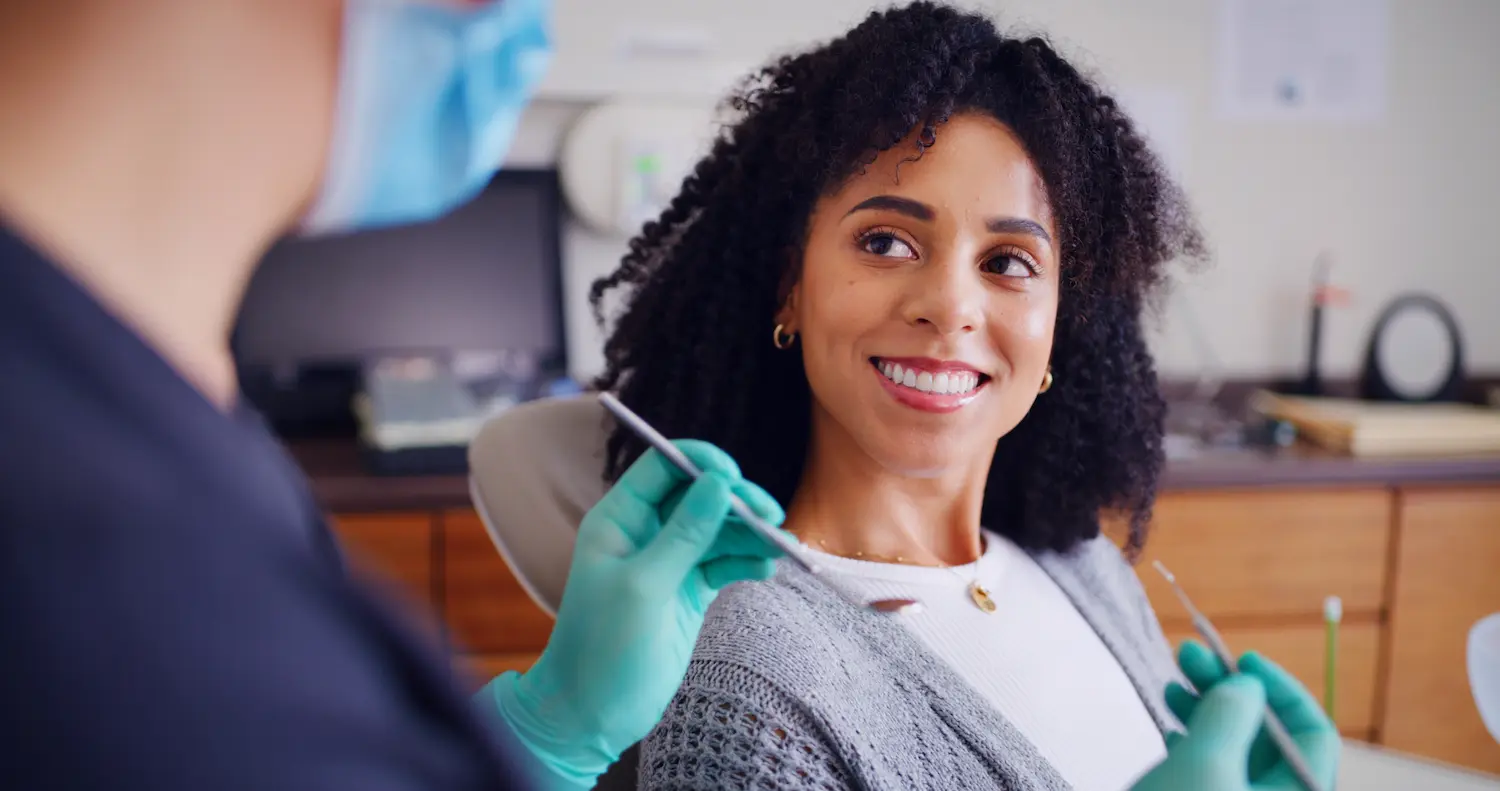
A dental emergency has a way of ruining the rest of your day. A tooth cracks on a popcorn kernel, a kid takes a fall on the playground, a crown comes loose during dinner. Whether it is painful, scary, or just inconvenient, knowing what to do in the first few minutes can protect your smile and improve the odds of a good outcome.
Here is a Jacksonville-specific guide for the most common dental emergencies, what to do before you get to the dentist, and how to tell the difference between an urgent dental problem and a true medical emergency that needs the ER.
What Counts as a Dental Emergency?
Not every tooth problem is an emergency. In general, call your dentist same-day if you experience:
- Severe or persistent tooth pain
- A knocked-out permanent tooth
- A cracked, broken, or chipped tooth, especially with pain
- A lost filling or crown
- Swelling in the gums, face, or jaw
- Bleeding that does not stop after 10 to 15 minutes of pressure
- Trauma to the mouth or jaw from an accident or sports injury
These situations get worse the longer you wait, and most of them have better outcomes when treated within 24 hours.
What to Do for Specific Dental Emergencies
Knocked-Out Permanent Tooth
This is one of the most time-sensitive dental emergencies. The tooth has the best chance of being saved if it is placed back in the socket within 30 to 60 minutes.
- Pick the tooth up by the crown (the white part), not the root.
- If dirty, gently rinse with milk or clean water. Do not scrub it or remove any attached tissue.
- If possible, place the tooth back into the socket and hold it with light pressure.
- If reinsertion is not possible, store the tooth in milk, saliva, or a tooth preservation solution. Never store it in plain water.
- Call us immediately at (904) 606-5255 and get to the office as quickly as you can safely drive.
Cracked or Broken Tooth
Even a small crack can grow deeper and expose the sensitive inside of your tooth to bacteria, so prompt treatment matters.
- Rinse your mouth gently with warm water.
- Save any broken tooth fragments in milk or saliva.
- Apply a cold compress to the outside of your cheek to reduce swelling.
- Avoid chewing on that side of your mouth.
- Call our office for a same-day appointment.
Severe Toothache
A throbbing, radiating toothache is usually a sign of deep decay, a fracture, a failing restoration, or an infection. Over-the-counter pain relievers can help in the short term, but the underlying cause needs attention.
- Rinse your mouth with warm water and gently floss around the painful tooth in case food is trapped.
- Take an over-the-counter pain reliever such as ibuprofen if you can tolerate it.
- Apply a cold compress to the outside of your cheek if there is swelling.
- Do not place aspirin directly on the gum or tooth. This can cause chemical burns to the soft tissue.
- Call our office to schedule an evaluation.
Lost Filling or Crown
A lost filling or crown is not usually painful right away, but the exposed tooth is vulnerable to fracture and decay if left untreated.
- Keep the crown, if you have it, in a small container to bring to your appointment.
- Avoid chewing on that side of your mouth.
- You can protect the tooth temporarily with over-the-counter dental cement or sugar-free gum.
- Call our office to schedule a repair or replacement.
Abscess or Facial Swelling
A dental abscess is a bacterial infection that can spread quickly. Treat this as urgent.
- Rinse gently with warm salt water a few times a day.
- Apply a cold compress to reduce swelling.
- Do not try to drain the abscess yourself.
- Call our office right away. If swelling reaches your eye, spreads down your neck, or affects your breathing or swallowing, go to the emergency room immediately.
What NOT to Do in a Dental Emergency
Well-intentioned mistakes can make an emergency worse. Avoid these common ones:
- Do not wait for the pain to go away on its own. Dental pain rarely resolves without treatment, and delay usually makes the problem more complex and expensive.
- Do not scrub a knocked-out tooth. You will damage the ligament fibers that help the tooth reattach.
- Do not store a knocked-out tooth in plain water. Water damages the root cells. Use milk or saliva.
- Do not use household glue, superglue, or any adhesive to try to reattach a tooth or crown.
- Do not try to drain an abscess yourself. You risk spreading the infection.
When to Go to the ER Instead of the Dentist
Most dental emergencies are best treated at a dental office. However, some situations require a hospital emergency room:
- Suspected jaw fracture or broken facial bone
- Uncontrolled bleeding that does not stop after 20 minutes of firm pressure
- Swelling that affects your ability to breathe or swallow
- Rapidly spreading facial swelling, especially near your eye
- Head injury along with dental trauma (possible concussion)
- Severe facial trauma from an accident
The ER can stabilize you medically and manage pain, but they typically cannot perform definitive dental treatment. Once you are stable, follow up with our office to repair the tooth.
After-Hours Dental Emergencies in Jacksonville
Our Jacksonville office is open Monday through Thursday from 8:00 AM to 5:00 PM. If you have a dental emergency outside of office hours, here is what to do:
- Call our office at (904) 606-5255. We check voicemails and return calls as quickly as we can.
- Use the first-aid steps above to manage pain and protect the tooth or area until you can be seen.
- For a knocked-out permanent tooth, do not wait for office hours. Go to the nearest emergency room or urgent care so a medical provider can help stabilize the area.
- For severe swelling, uncontrolled bleeding, or difficulty breathing or swallowing, go directly to the emergency room.
How to Prevent Common Dental Emergencies
Not every emergency is preventable, but a few habits meaningfully reduce your risk:
- Keep up with regular cleanings and exams. Early catches mean small problems get fixed before they become urgent ones.
- Wear a mouthguard for contact sports, hockey, boxing, or any activity with a risk of impact.
- Wear a nightguard if you grind or clench your teeth.
- Avoid using your teeth as tools (opening bottles, tearing packaging, biting nails).
- Be cautious with hard foods such as ice, hard candy, popcorn kernels, and bones.
- Address small cavities, cracks, or loose restorations promptly, before they turn into bigger problems.
Call EverySmile Dental Riverside for Emergency Dental Care in Jacksonville
If you are in pain, bleeding, or have had a traumatic injury to your mouth, do not wait. Call our Jacksonville office at (904) 606-5255 or contact us online. We hold time in our daily schedule for emergencies and welcome both new and existing patients.